At a Glance
Are implants or dentures better for me?
Dental implants usually feel more stable than conventional dentures, including when they hold a denture in place. Conventional dentures cost less upfront and don’t need implant surgery. At our Burien office, we’ll check your teeth, gums, and bone support and help you compare dental implants and dentures. Call (206) 242-1500 to book a visit.
Dental implants often provide greater stability than conventional dentures, but they aren’t the best choice for everyone. Dentures usually cost less upfront and don’t require implant surgery. There’s also an option that combines the two: dentures that attach to dental implants.
At our Burien dental office, we help you compare these choices based on your teeth, health, and priorities. You don’t need to decide which treatment you want before your first visit.
Dental Implants vs. Dentures: The Main Differences
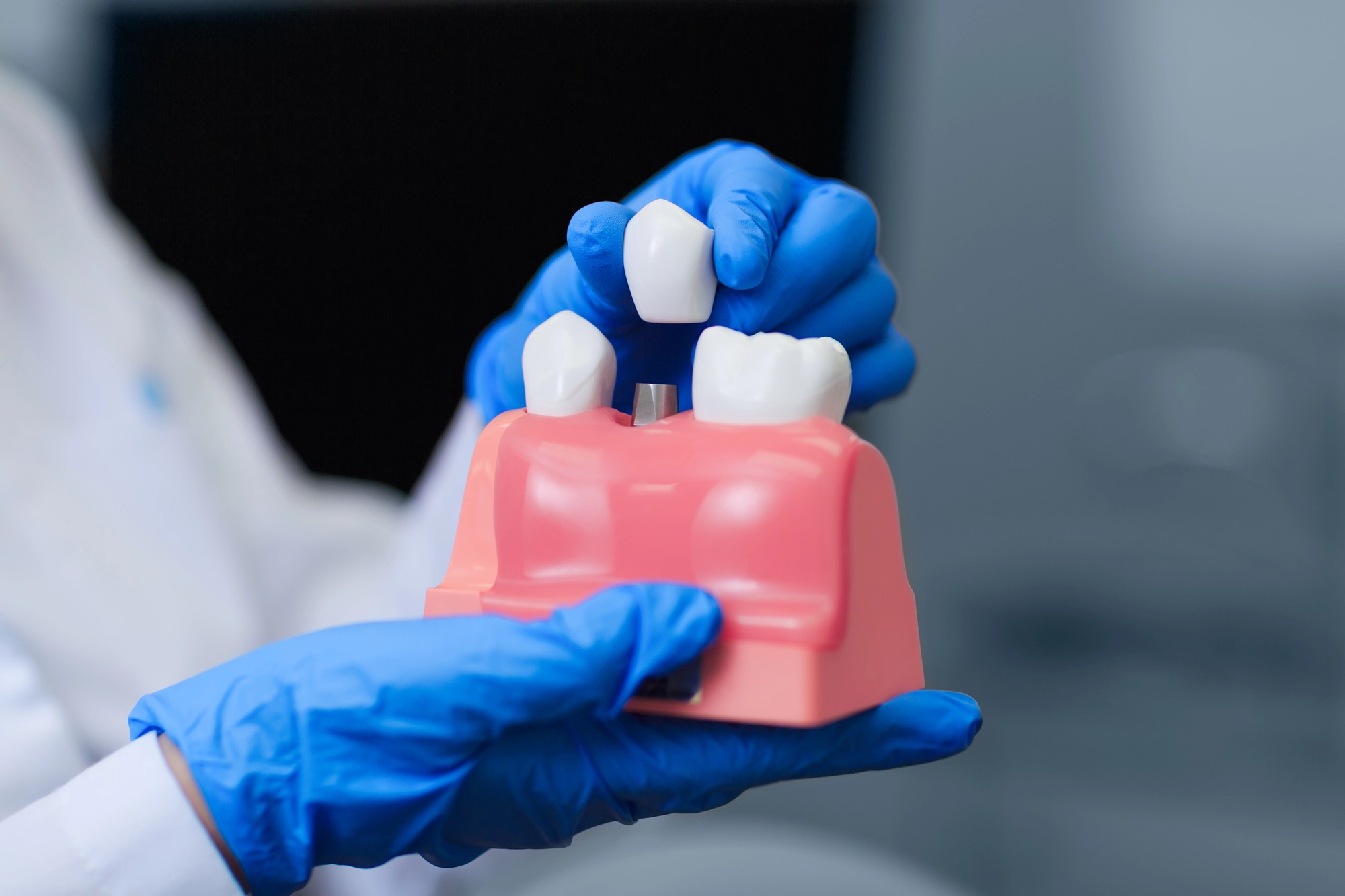
A dental implant replaces a missing tooth root and supports a crown, bridge, or denture. Conventional dentures replace missing teeth without implant support.
If you’re replacing one tooth, an implant with a crown may be an option. If you’re replacing most or all of the teeth in an arch, these are the main options:
| Comparison | Conventional Dentures | Removable Implant Dentures | Fixed Implant-Supported Teeth |
|---|---|---|---|
| Support | Rest on the gums. Partial dentures also use remaining teeth for support. | Attach to dental implants | Attach to dental implants |
| Removable at home? | Yes | Yes | No |
| Implant surgery? | No, although extractions may be needed | Yes | Yes |
| Treatment time | Several appointments, with additional healing if extractions are needed | Usually several months | Usually several months to complete final treatment |
The dental implants remain in your jawbone. The replacement teeth they support may be removable or fixed, as the American College of Prosthodontists explains.
Our service pages explain the dental implant options and full, partial, and implant-supported dentures available at Burien Dental.
Which Option Is Right for You?
Think about what you most want to change about your current situation.
- You want to keep upfront costs lower or avoid implant surgery. Conventional dentures may be a practical choice.
- Your denture slips or feels insecure. Implant support may improve stability. It’s also worth checking whether an adjustment, reline, or replacement could address the problem.
- You prefer replacement teeth that stay in place. Fixed implant-supported teeth may be an option if you’re a suitable candidate and can keep up with the cleaning and maintenance they require.
Your preferences matter, but an examination helps establish which options are suitable. We assess your remaining teeth, gums, and bone support and review your medical history.
Active gum disease may need treatment first. Bone loss may mean additional preparation, such as grafting. Smoking and some medical conditions can affect healing and implant success. The FDA’s implant guidance explains these considerations and potential surgical risks.
Age alone doesn’t determine whether you can receive dental implants. Your oral health, medical history, and ability to care for the restoration matter more.
How Much Do Dental Implants and Dentures Cost?
The number of teeth being replaced, materials, and preparatory treatment all affect the price. When comparing full-arch treatment, an arch means the upper teeth or the lower teeth. Treating both requires a separate estimate.
These published price ranges come from different providers and may include different services. They’re intended for general comparison, not as quotes for treatment at Burien Dental.
Conventional Dentures
Delta Dental’s published out-of-network ranges are:
- Full lower denture: $1,115–$2,425
- Full upper denture: $1,220–$2,540
These figures are based on Delta Dental’s 2024 internal data and refer to individual upper or lower dentures, not both together. Partial dentures have different pricing.
Removable Implant Dentures
One published provider benchmark places removable implant denture treatment at $7,628–$13,297 per arch. Its listed treatment includes implant placement, connecting components, temporary teeth during healing, and final snap-in teeth.
Fixed Implant-Supported Teeth
Published provider figures for fixed full-arch implant treatment range from $14,000–$36,000 per arch. Materials, treatment complexity, and what’s included affect the price.
Compare What the Estimate Includes
Before comparing two prices, check whether each includes:
- Examinations and imaging
- Extractions or bone grafting
- Implant placement and connecting components
- Temporary and final replacement teeth
- Follow-up visits and adjustments
Ask about future maintenance costs, too, including relines, attachment replacement, and repairs. A lower advertised starting price may cover less treatment.
We’ll provide a personalized estimate before treatment begins. Insurance benefits vary, and financing options may help eligible patients spread out payments.
How Does Daily Care Differ?
Every option needs daily cleaning. The main difference is how you reach the replacement teeth, gums, and supporting structures.
Conventional Dentures
Remove the denture for cleaning. Brush it with an appropriate nonabrasive cleanser, and clean your gums, tongue, and any remaining natural teeth.
Avoid hot water, which can warp the appliance. If it rubs or feels loose, have the fit checked rather than trying to adjust it yourself. The ADA’s denture guidance explains cleaning and adjustment needs.
Removable Implant Dentures
Clean the denture after removing it, then carefully clean around the implant attachments in your mouth. These attachments can wear over time and may need replacement.
Removing the teeth gives you access for cleaning, but it doesn’t remove the need to care for the implants.
Fixed Implant-Supported Teeth
Brush the replacement teeth and clean underneath them using the tools recommended for your restoration. These may include floss threaders or appropriately sized interdental brushes.
Gums and bone around implants can develop inflammation, and components can loosen or break. Contact us if you notice persistent bleeding, swelling, pain, or movement.
Keep your recommended dental exams and cleanings, whichever option you choose. Our guide to family dentistry explains how preventive and restorative care fit together.
What Does the Research Say?
A systematic review of 26 studies found better patient satisfaction, stability, and function with implant-retained overdentures than with conventional complete dentures.
Most included studies compared a conventional upper denture paired with a lower denture retained by two implants against conventional dentures in both jaws.
That distinction matters. The findings support implant retention, particularly for lower dentures. They don’t establish that every fixed implant restoration is better than every removable denture.
What Our Patients Say About Their Care
These patients describe getting explanations about treatment choices, not specific implant or denture outcomes.
“… telling me in detail about my teeth and helping me figure out the best solution and treatment I need.”
“… clearly explained all the available treatment options so I could make an informed decision.”
Frequently Asked Questions
Do All Your Teeth Need to Be Removed for Implants?
No. Implants can replace missing teeth while healthy natural teeth remain. A full-arch plan requires an assessment of which teeth can be maintained and which, if any, need removal.
Can My Existing Dentures Be Attached to Implants?
Sometimes. Your dentist will check whether your existing denture has the right fit, condition, and design for implant attachments. If not, a new denture may be needed.
Will I Be Without Teeth During Treatment?
Temporary teeth may be possible while your mouth heals. Ask what you’ll wear during each stage before treatment begins. The type of temporary teeth and any eating restrictions depend on your treatment plan.
Do You Sleep With Implant-Supported Dentures In?
Removable implant-supported dentures are generally taken out overnight unless your dentist gives different instructions. Fixed implant-supported teeth stay in place and aren’t removed at home.
Do Dental Implants Last Longer Than Dentures?
Dental implants can last many years with proper care, but the crowns, bridges, or dentures attached to them may need repair or replacement. Conventional dentures may also need relining or replacement as your mouth changes.
Compare Your Options at Burien Dental
At Burien Dental, Dr. Daniel La Rota places and restores dental implants in our office. We also offer conventional and implant-supported dentures, so you can discuss your tooth replacement options with the same dental team.
Visit us at 115 S. 177th Place in Burien, near Normandy Park. Call (206) 242-1500 or book an appointment to discuss replacing your missing teeth.